Demolition
Substantial removal. Clear responsibility.
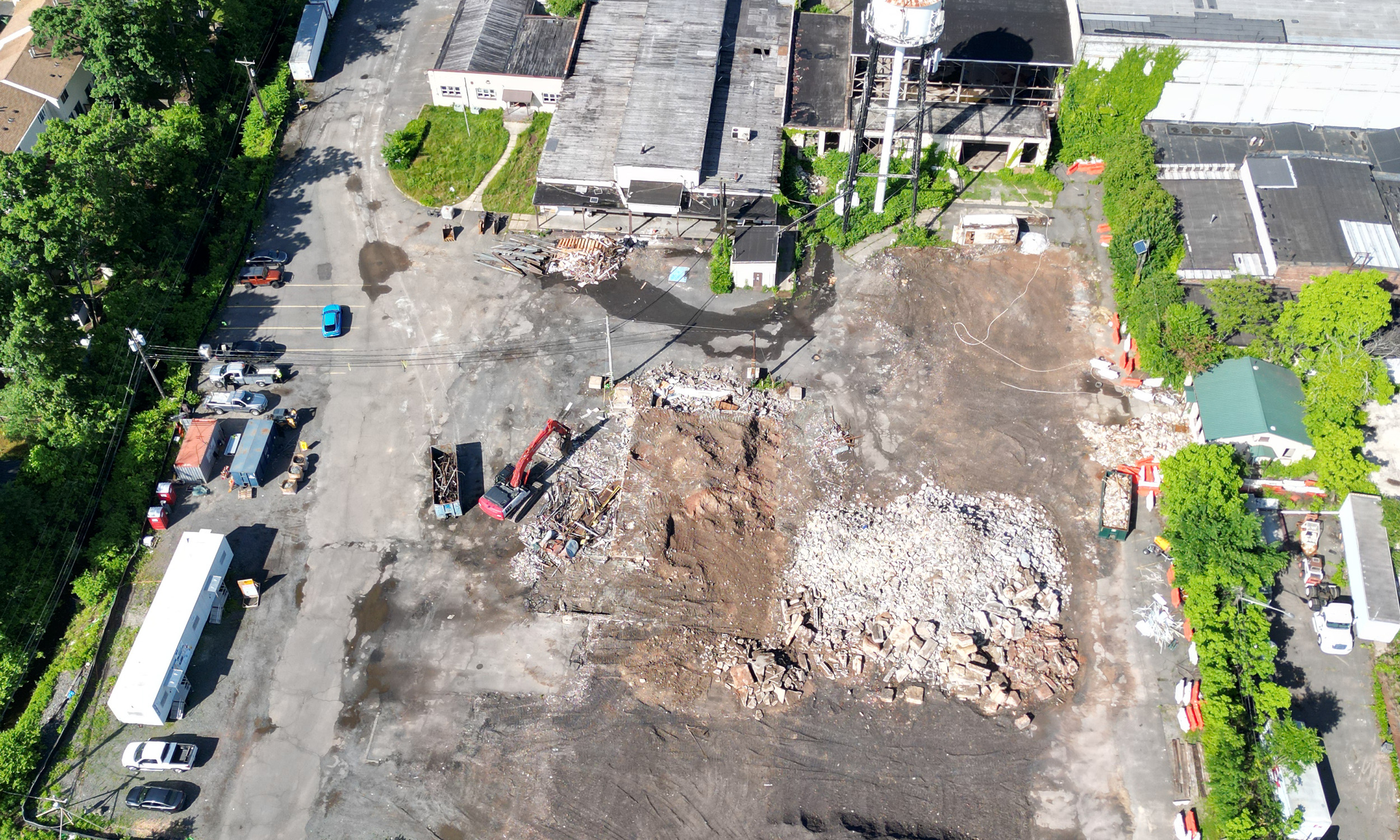
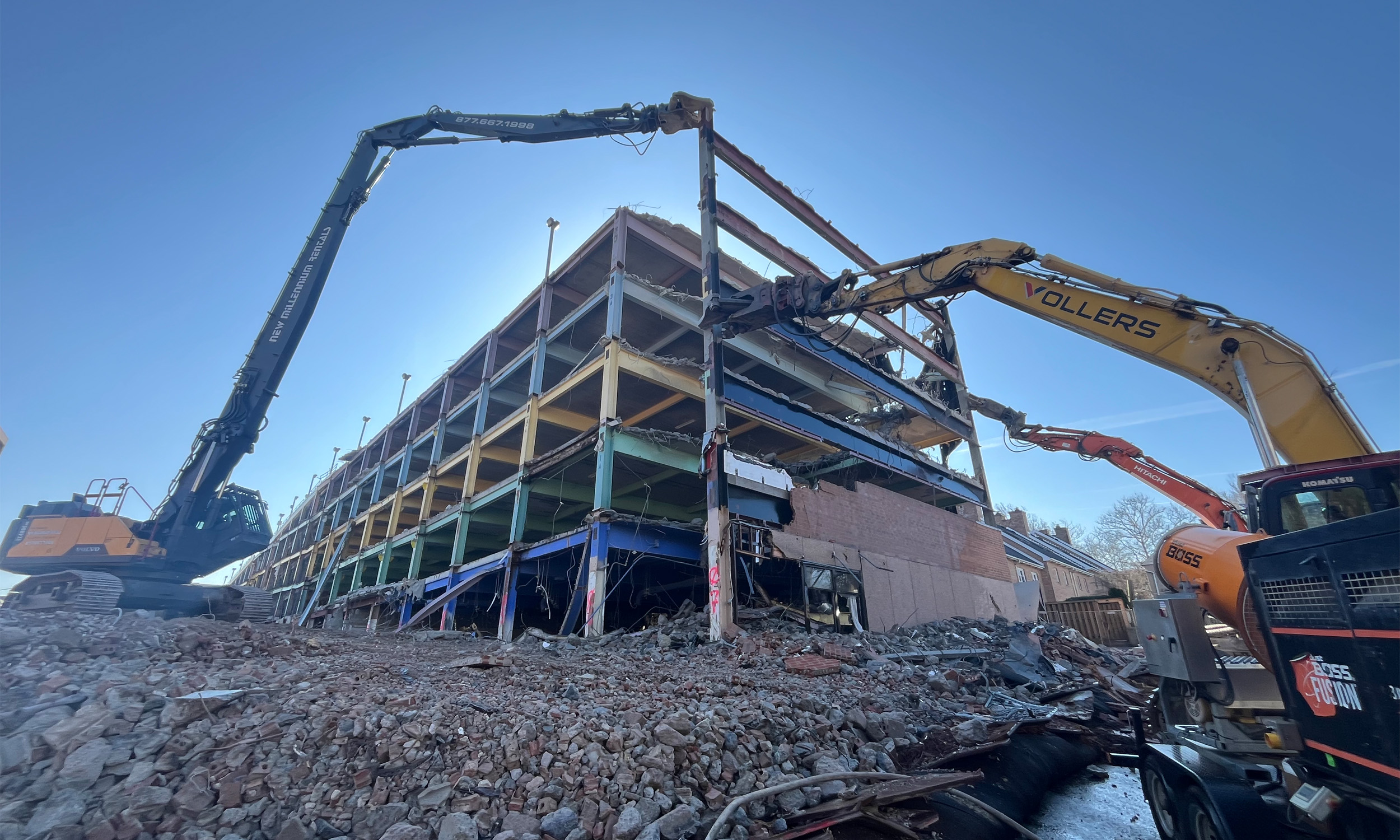
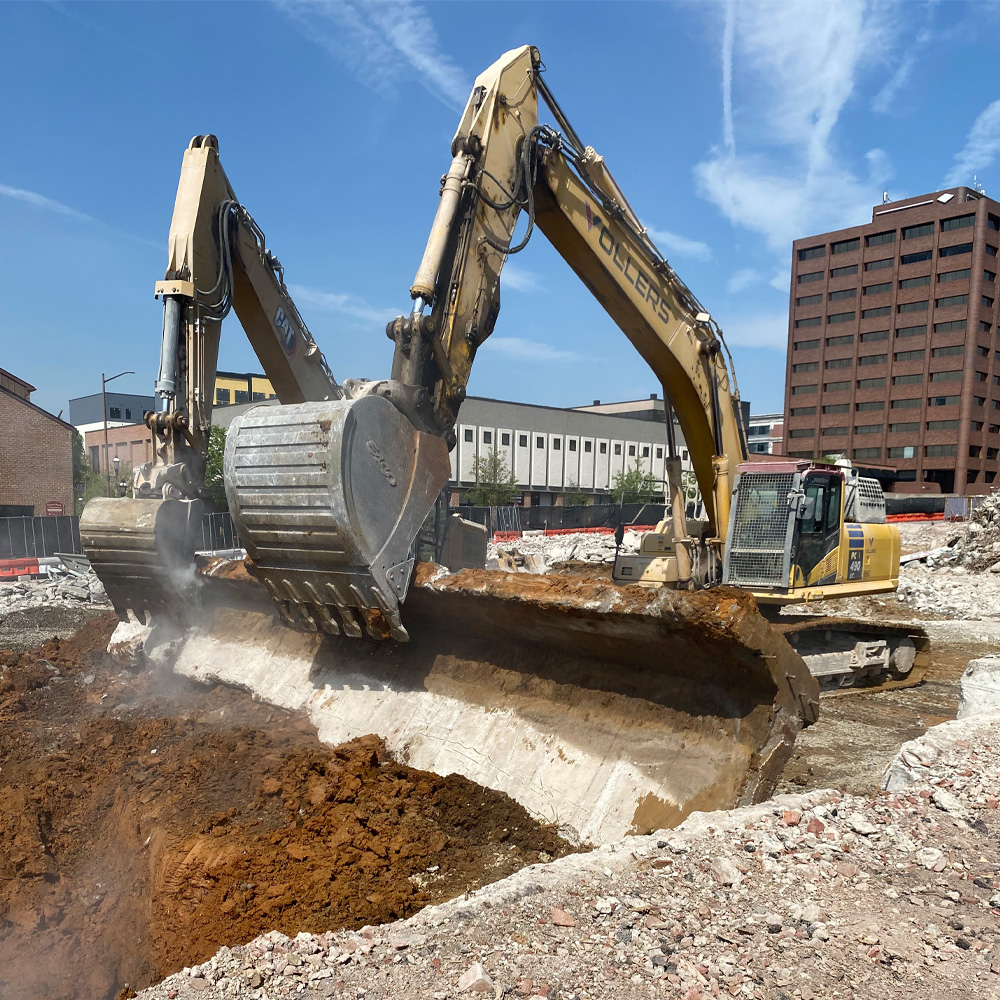
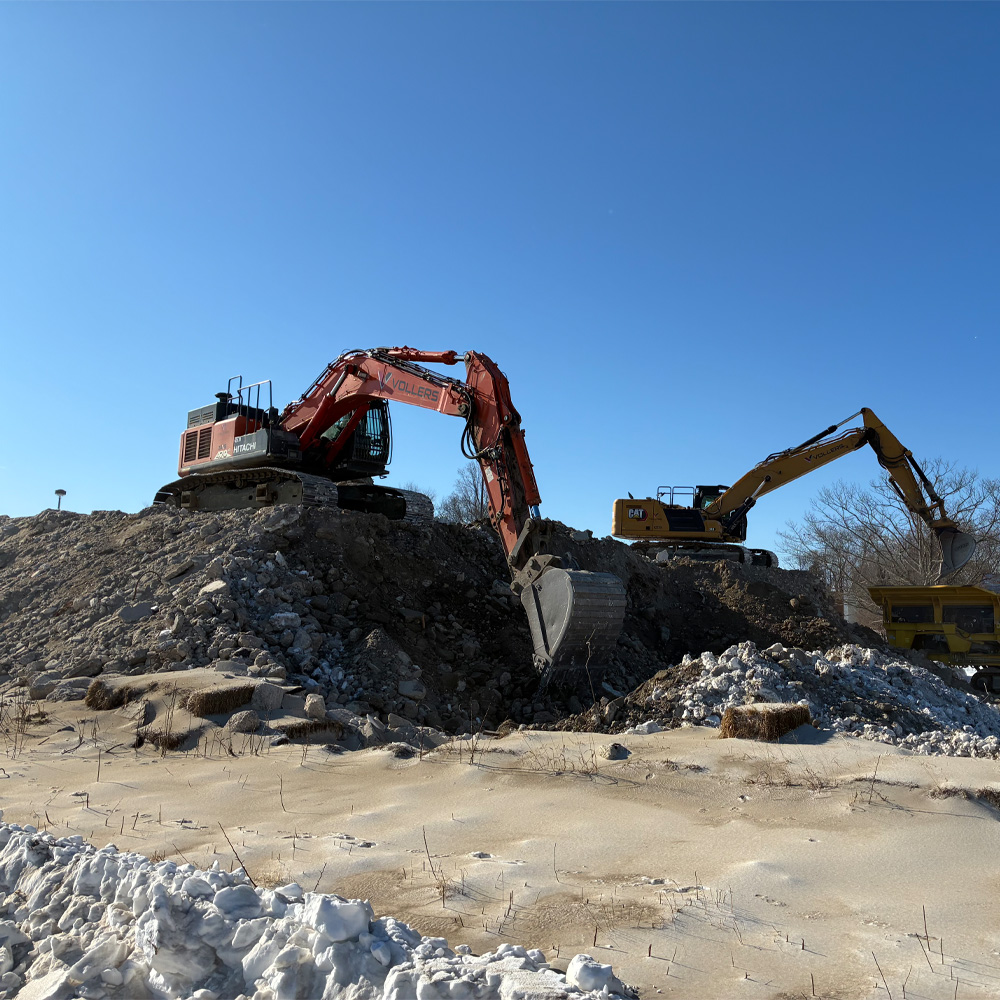
VOLLERS takes on substantial Demolition work, from structural and selective removal through foundations, slabs, material handling, crushing, and the site preparation that follows. Our teams plan the work around access, surrounding conditions, sequencing, and what comes next.
Demolition
Scope
More than taking structures down.
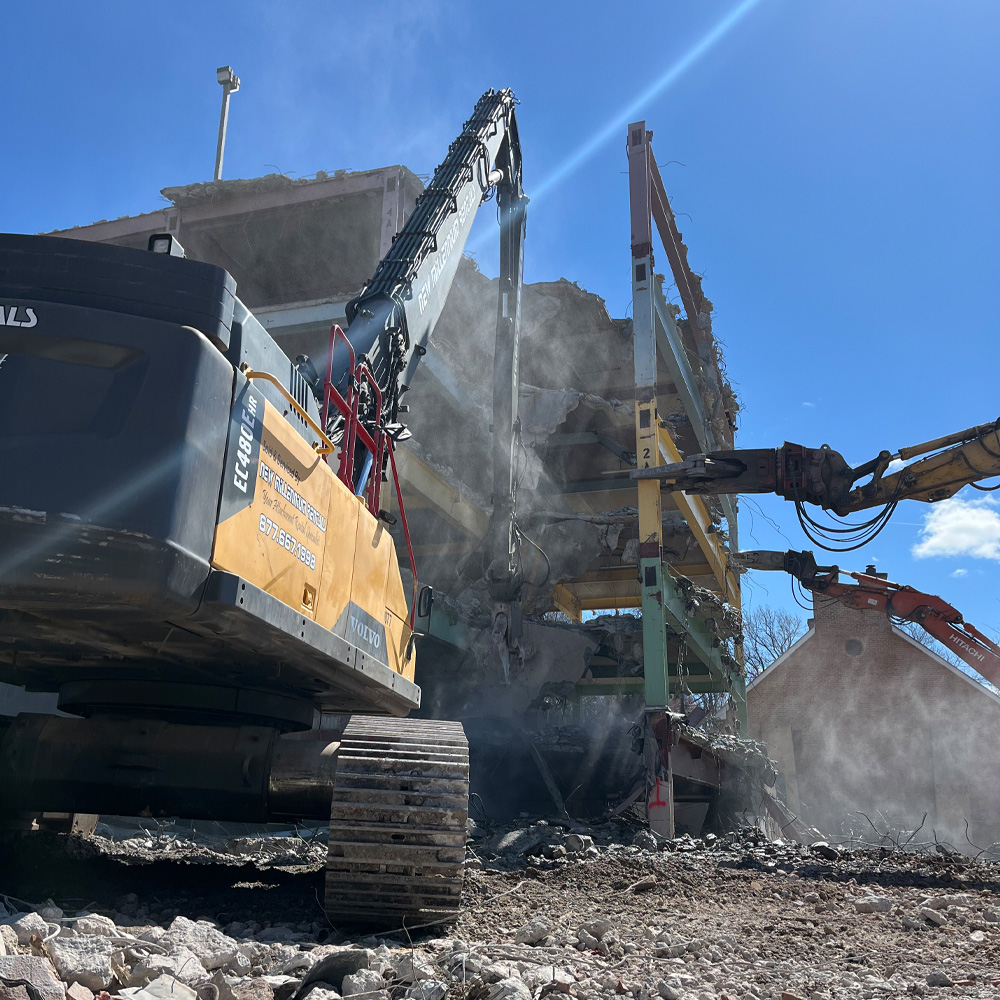
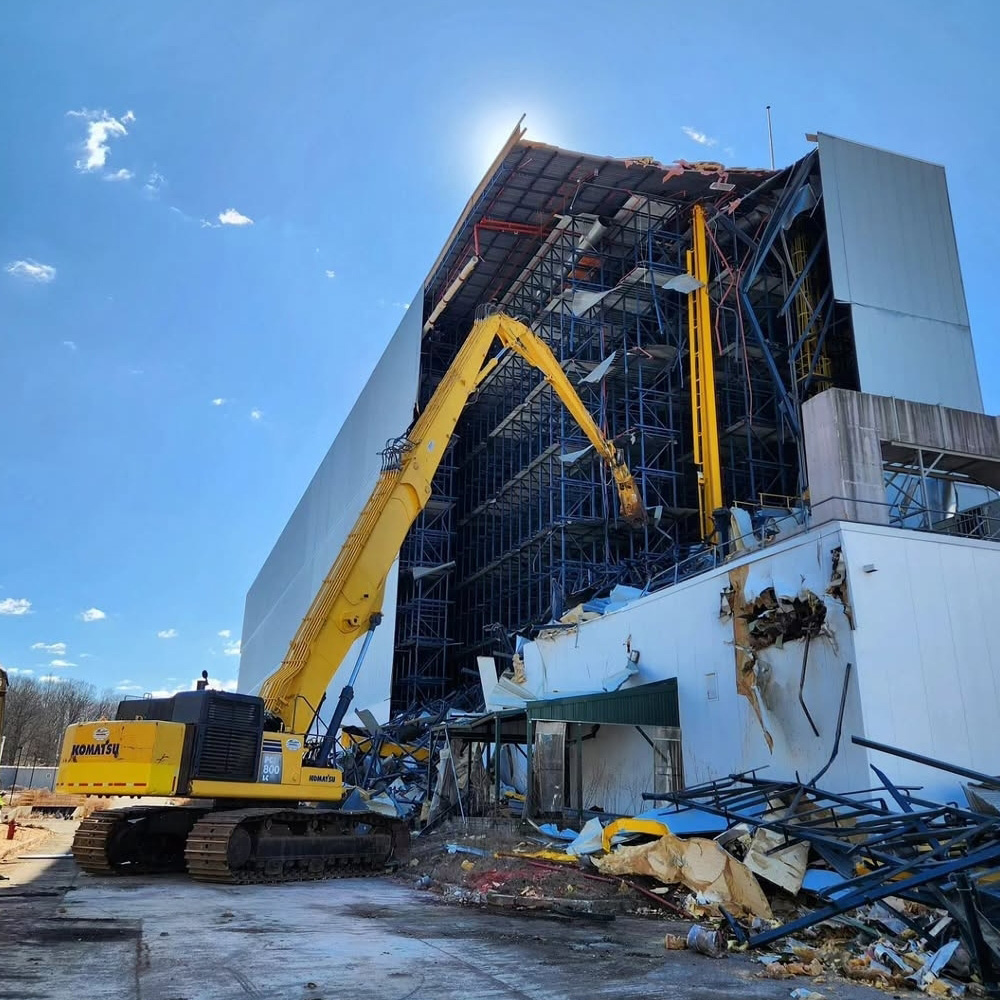
Demolition at VOLLERS includes structural and selective removal, industrial and infrastructure work, foundation and slab removal, crushing and material handling, and site preparation associated with the work.
Plan the removal around everything it affects.
Demolition has to be planned around access, surrounding operations, material movement, schedule, what stays, and what comes next. VOLLERS brings estimating and field experience into that plan early, then keeps the plan connected to the work as conditions change.
Understand the Conditions
What stays, what goes, access, adjacent work, existing conditions, and what the next phase will require.
Plan the Sequence
Work zones, equipment access, logistics, material movement, surrounding operations, and schedule all shape how the removal is sequenced.
Make Practical Decisions
Use field and project experience to adjust the approach, sequence, and logistics as conditions change.
Keep the Work Connected
Coordinate project and field teams, equipment, materials, specialist resources, and affected trades around what has to happen next.
The operation continues after the structure comes down.
Once the structure is down, the job still has to deal with foundations, slabs, material movement, crushing, equipment access, and the condition of the site that follows. VOLLERS carries that work forward as conditions change.

Carry the site knowledge into what comes next.
When VOLLERS carries a project from Demolition into Sitework, the next phase does not have to start over. Site knowledge, logistics, safety planning, communication, and value decisions can move with the work, while Sitework needs can influence Demolition choices earlier.
01
Smoother Phase Transitions
Fewer handoffs and less need for a new team to relearn the site between phases.
02
Knowledge Carried Forward
Site conditions, decisions, constraints, and lessons from Demolition carry into Sitework.
03
Connected Communication and Logistics
Project communication, site logistics, and safety planning can stay coordinated across the transition.
04
Plan for Sitework Earlier
Sitework needs can influence Demolition sequencing, logistics, and site preparation earlier in the project.
Where
Shows Up
Demolition changes with the conditions around it.
Access, ongoing operations, stakeholders, security, infrastructure, phasing, and what must remain can all change how Demolition is planned and executed.
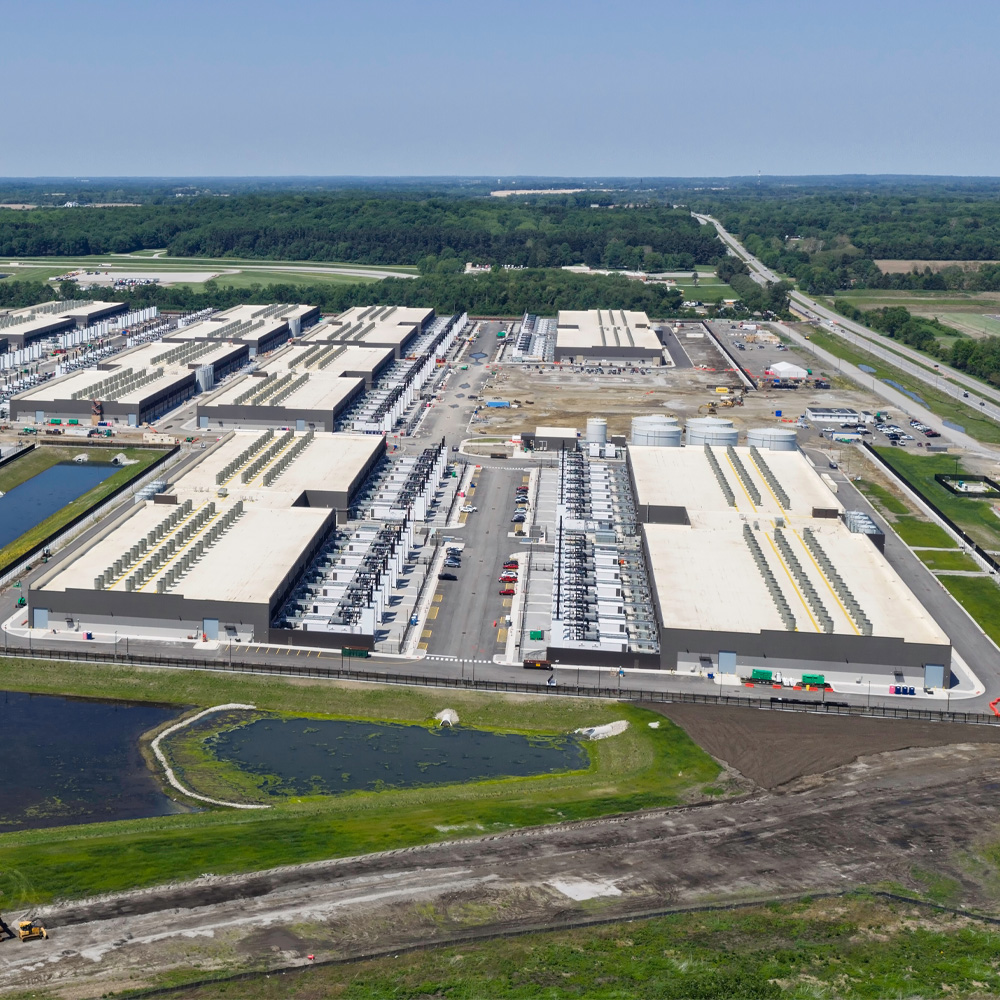
Large-Scale Development
Data Centers and Mission Critical | Logistics and Industrial Development
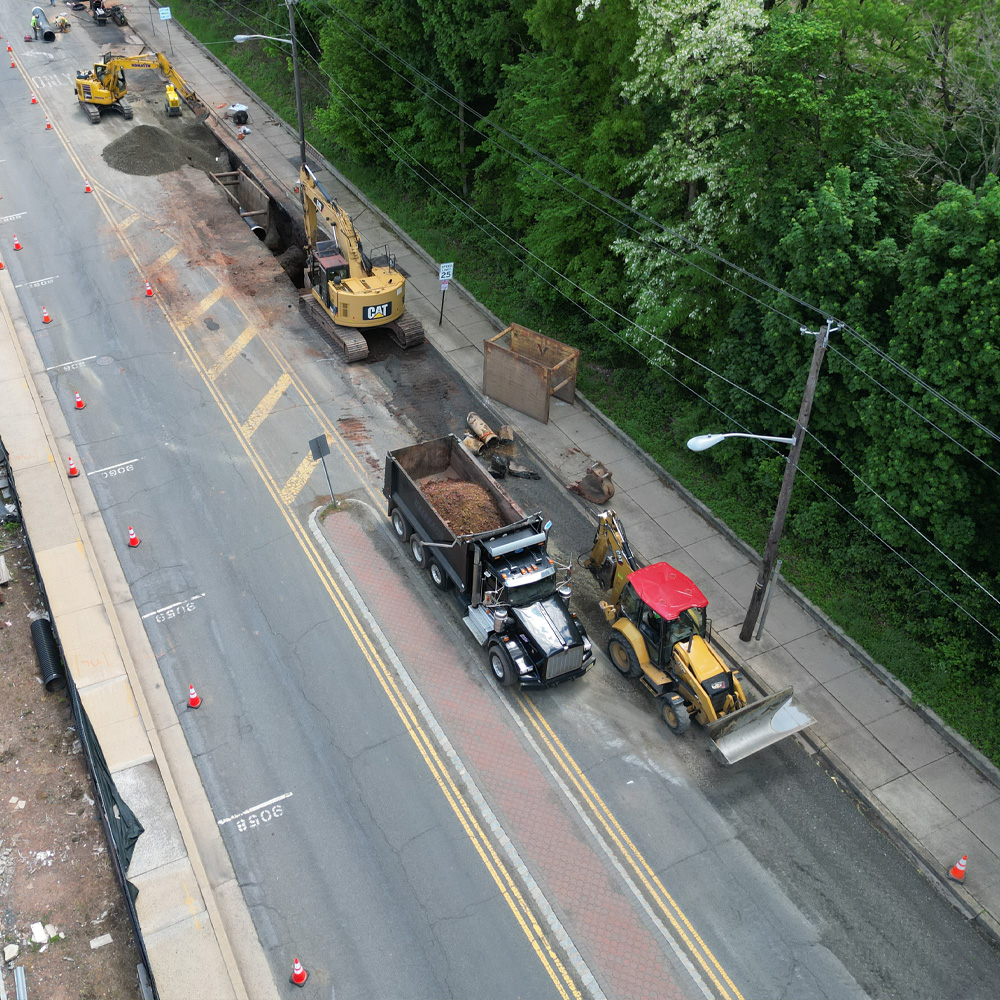
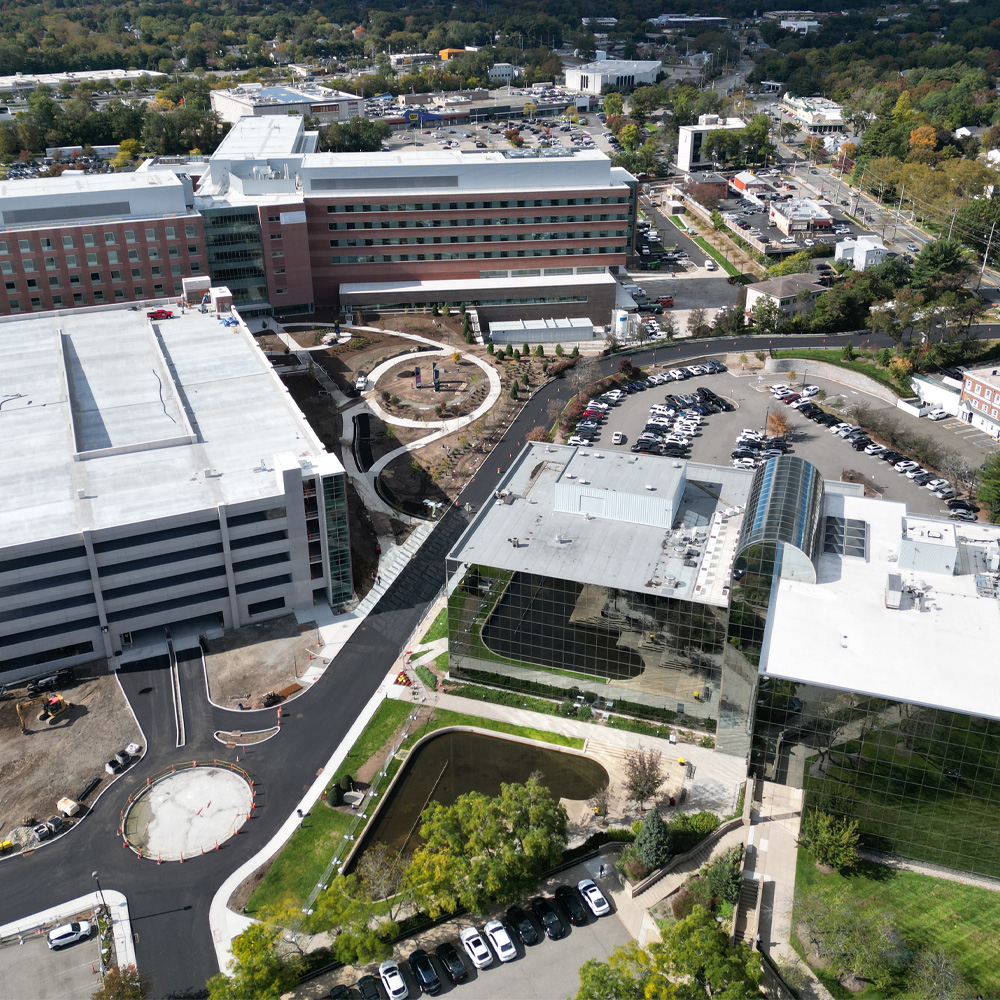
Institutional and Campus Environments
Institutional, Healthcare and Life Sciences | Sports and Athletic Facilities
Have a Demolition project to discuss?
Tell us what needs to be removed, what has to remain, and what the project needs next.