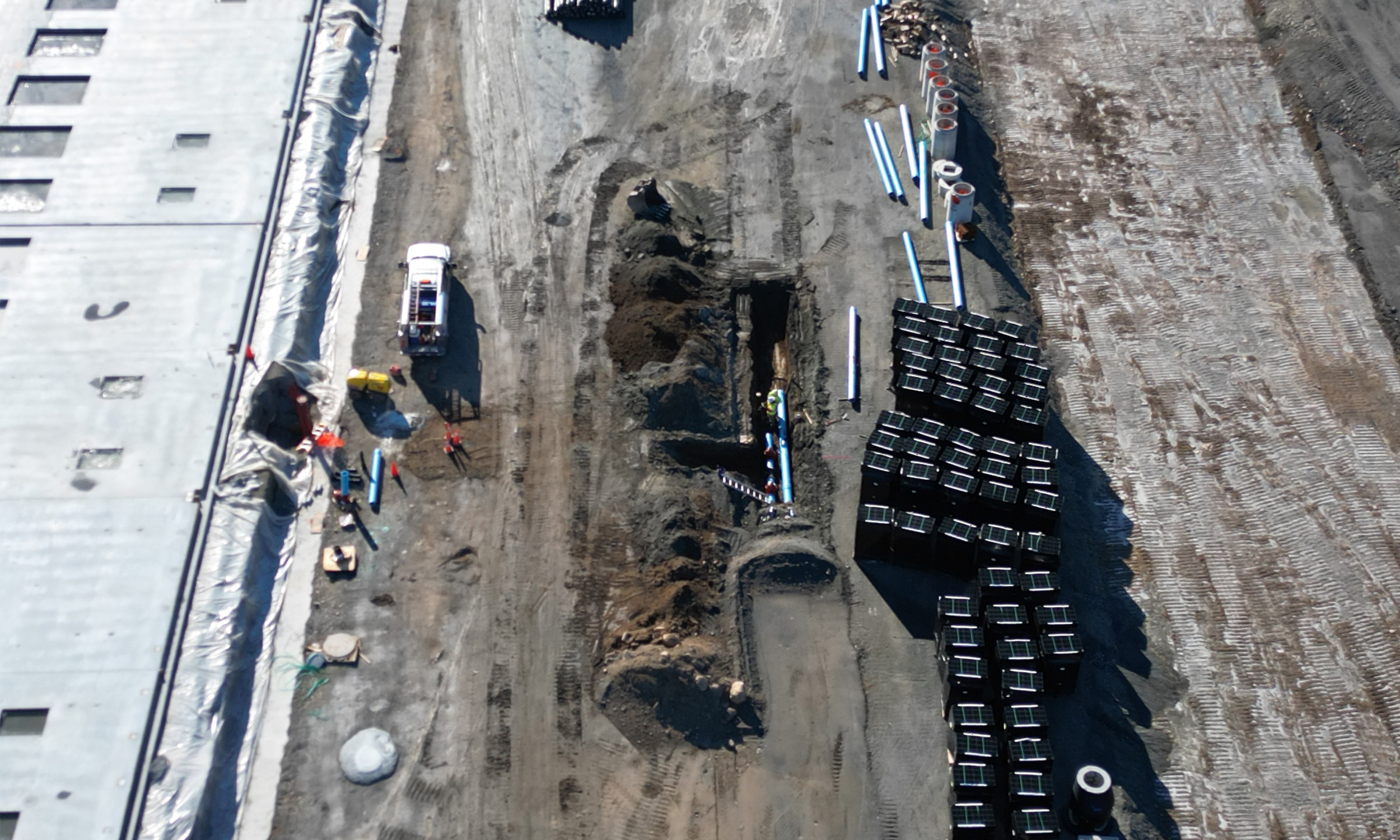
Utilities
Direct installation. Responsibility through closeout.
VOLLERS directly installs substantial underground utility systems and carries the work from planning and procurement through field execution, documentation, testing and inspection coordination, and turnover.
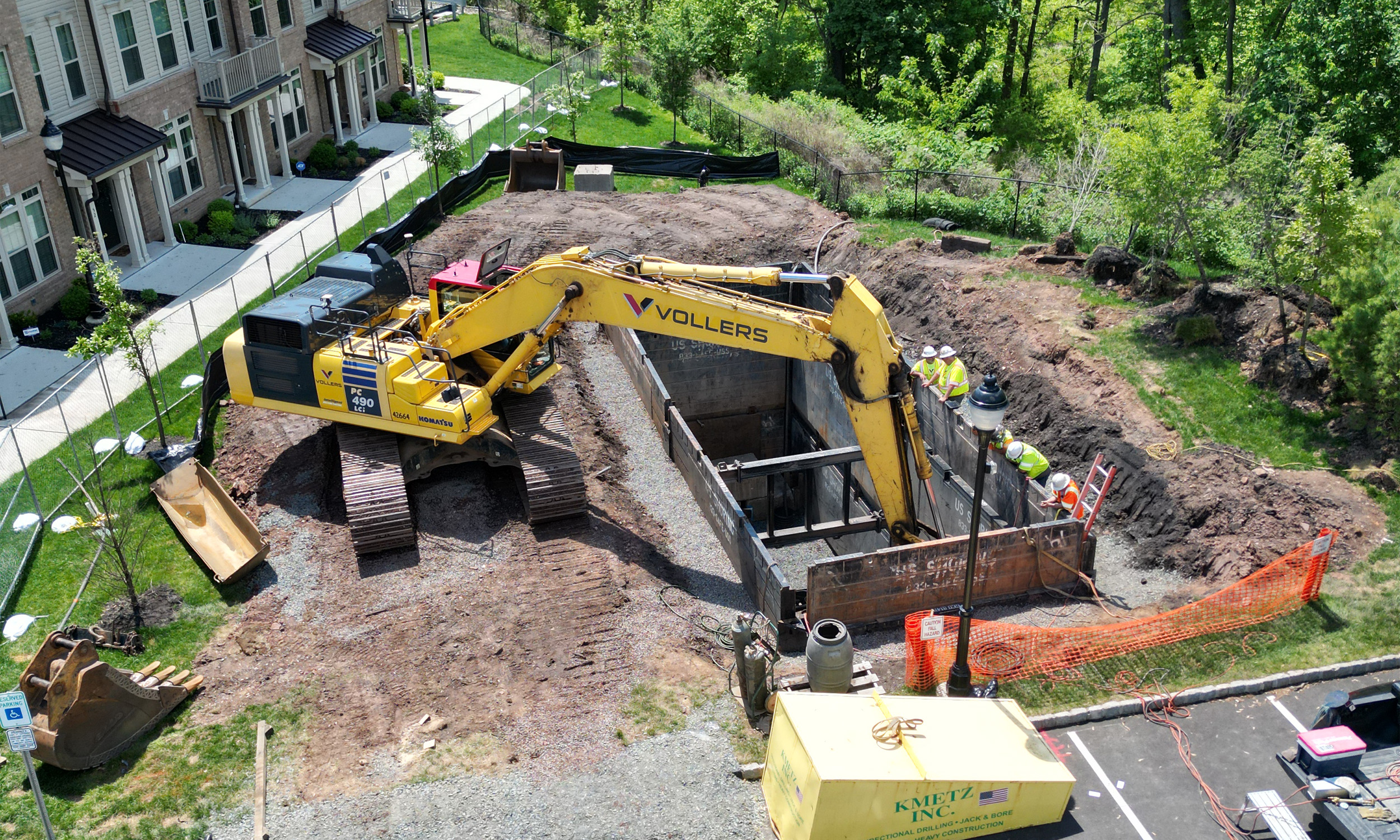
Underground systems, installed by VOLLERS.
VOLLERS directly installs the systems below as part of its Utilities capability.
- Water Systems
- Sanitary Sewer
- Storm Drainage
- Process Wastewater
- Reclaimed Water
- Lift Stations
- Related Utility Structures
The work around the installation matters.
Putting underground systems in place takes more than the installation itself. VOLLERS performs the field work around the system, from trenching and excavation through shoring, dewatering, bedding, structures, backfill, compaction, and survey and layout support.
Open and Prepare
Trenching and excavation open the work area, with survey and layout support carrying the planned installation into the field.
Support the Excavation
Shoring and dewatering are used as needed to maintain workable excavation conditions.
Build the Installation
Bedding and related structures are built as part of the installation.
Close and Stabilize
Backfill and compaction close the excavation and prepare the area for restoration or the next phase of work.
Utility work starts before the trench opens.
VOLLERS starts with scope, sequencing, procurement, access, and field conditions before production begins. That planning stays connected to installation, documentation, testing and inspection coordination, and turnover as the work moves forward.
Prepare the Work
Estimating, constructibility thinking, sequencing, submittals, and early coordination shape the plan before production begins.
Get the Work Ready
Procurement, survey and layout support, access, materials, and field preparation are worked through before installation begins.
Install and Coordinate
Installation stays connected to project communication, changing field conditions, and testing and inspection coordination.
Document and Close
As-builts, corrective work, and turnover are carried through to closeout.
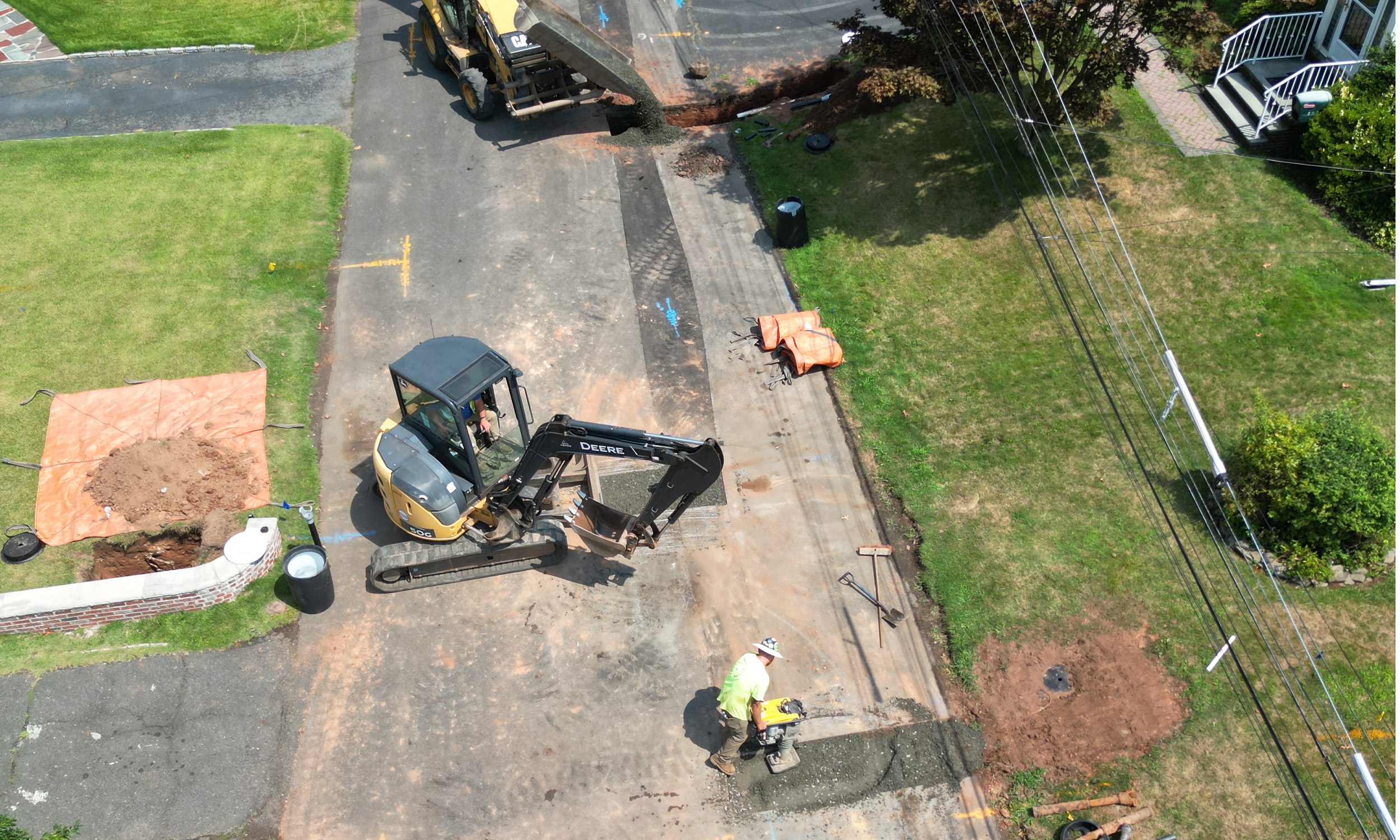
Utilities in the context of the whole site.
Utilities stands on its own as a Major Capability. When the work is part of a broader site package, VOLLERS can connect direct utility installation with the Sitework and supporting resources that surround it.
01
Sitework and the Site Sequence
Utility work often connects directly with Sitework through excavation, grading, structures, restoration, and the broader site sequence.
02
Field Data and Layout
Survey and layout support can connect planned utility work with field installation and documentation.
03
Structures and Restoration
Concrete and Asphalt Paving can support utility structures, restoration, and the broader site sequence where those capabilities are part of the project.
04
Project Conditions and Materials
Environmental Services and Materials and Recycling can support utility work when site conditions, material handling, reuse, supply, or disposal needs call for them.
Plan ahead. Communicate clearly. Follow through.
A well-run utility job depends on more than installation. VOLLERS looks ahead, keeps project and field teams connected, brings issues forward early, and carries documentation and closeout through completion.
See Constraints Early
Look ahead at sequence, access, materials, testing and inspection needs, surrounding work, and what has to happen next.
Keep Information Moving
Connect project and field teams so decisions, documentation, and changing conditions are communicated directly.
Use Field Judgment
Bring issues forward early and make practical decisions at the appropriate level as the work develops.
Close the Loop
Carry documentation, testing and inspection coordination, corrective work, and turnover through completion.
Where
Shows Up
The conditions around the trench shape the work.
Utility work changes with the project around it. System requirements, access, active operations, surrounding construction, testing and inspection needs, public access, security, and closeout requirements can all affect how the work has to be planned and sequenced.
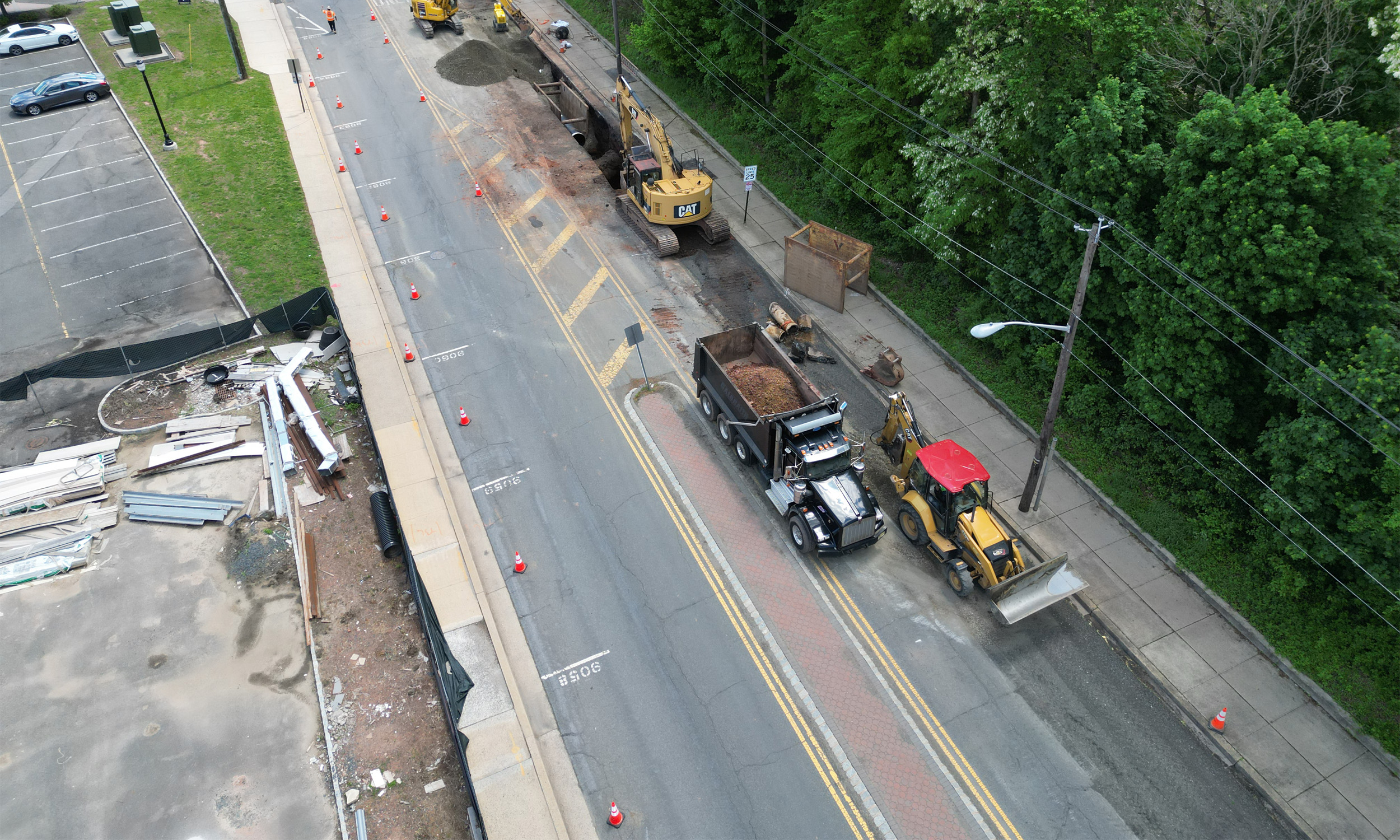
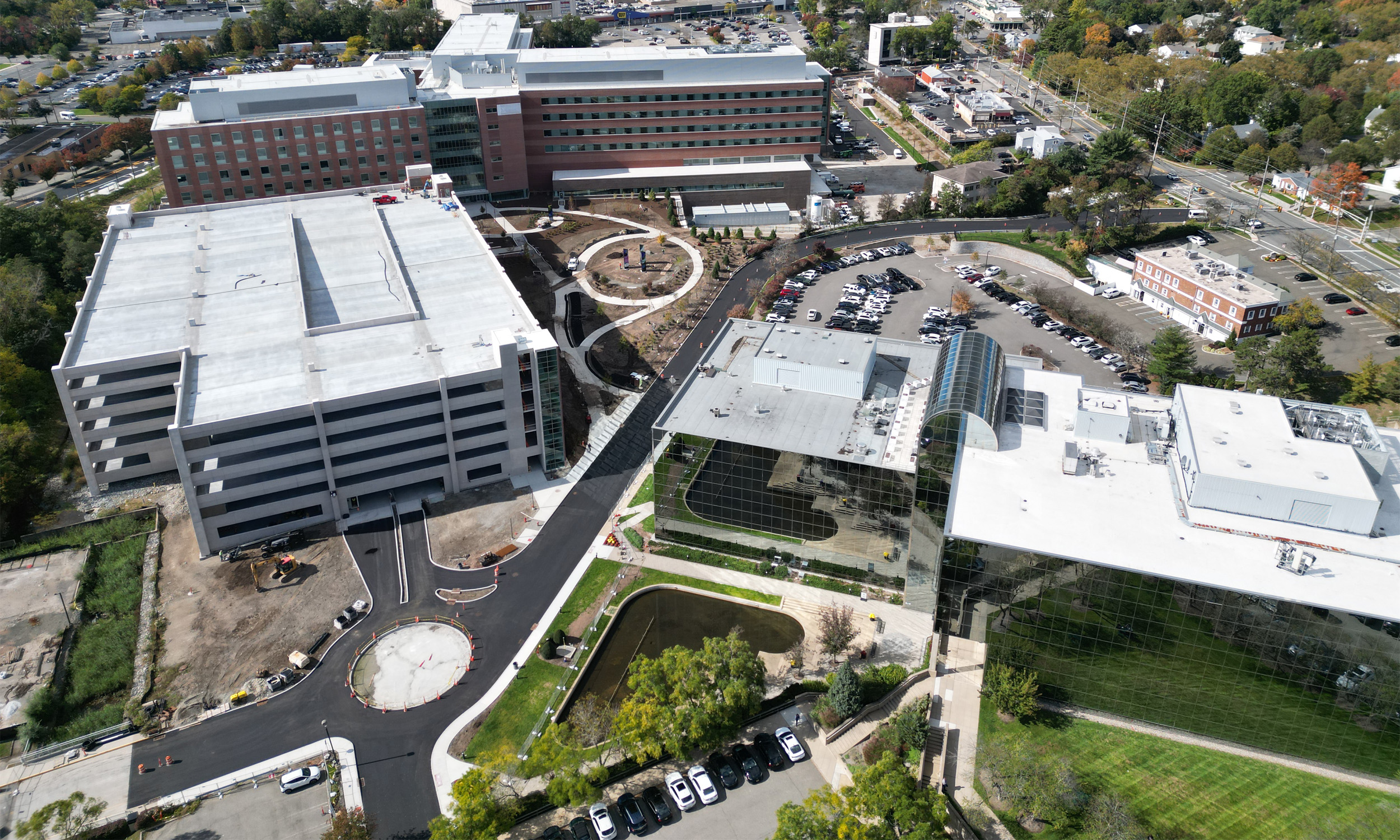
Utilities and Public Infrastructure
The most direct market relationship for public and utility-owner work, where technical fit, documentation, testing and inspection coordination, closeout, and accountability carry particular weight.
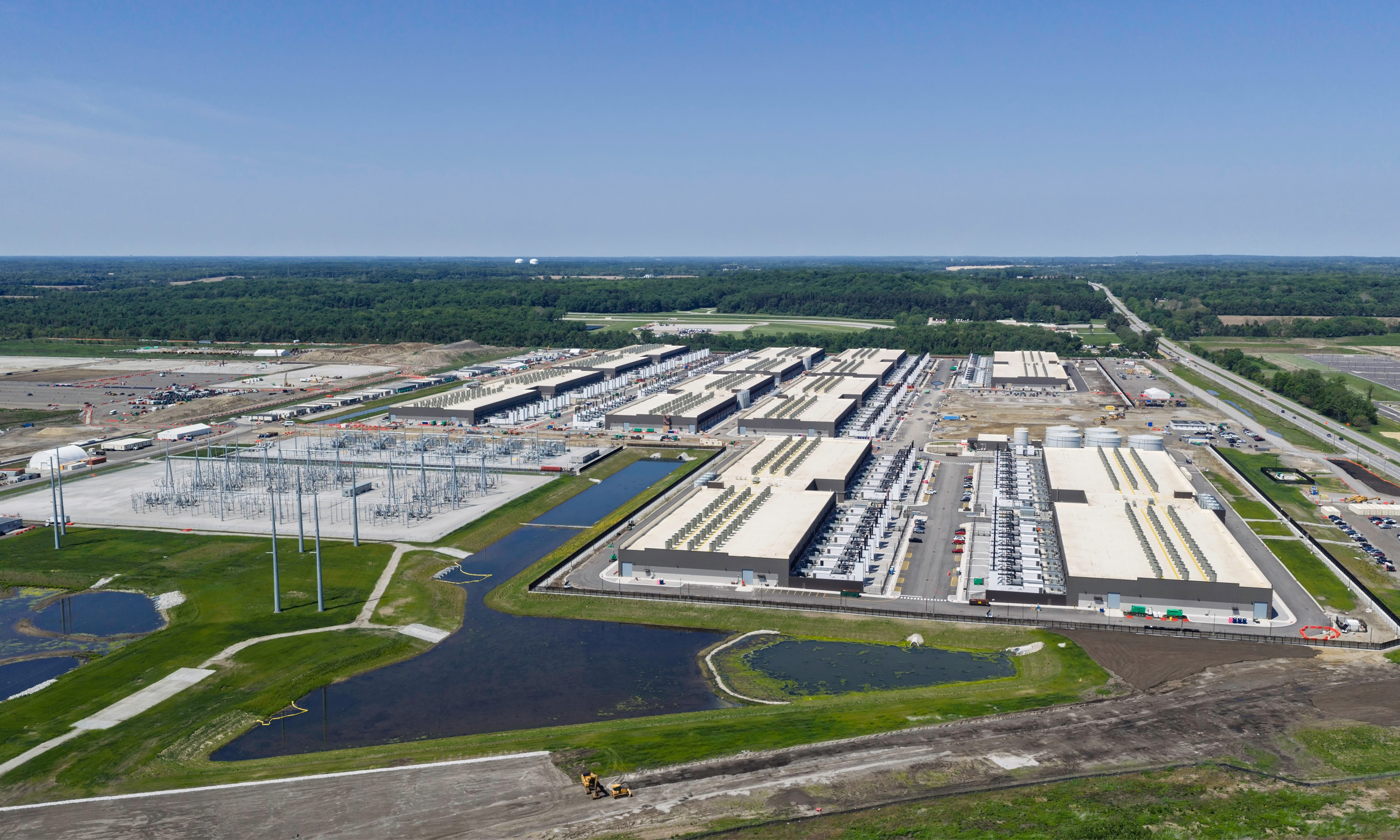
Large Private Development
Data Centers and Mission Critical | Logistics and Industrial Development
Have a Utilities project to discuss?
Tell us about the utility scope, the site conditions, and what you need VOLLERS to take on.