Data Centers and Mission Critical
When every interface affects what comes next.
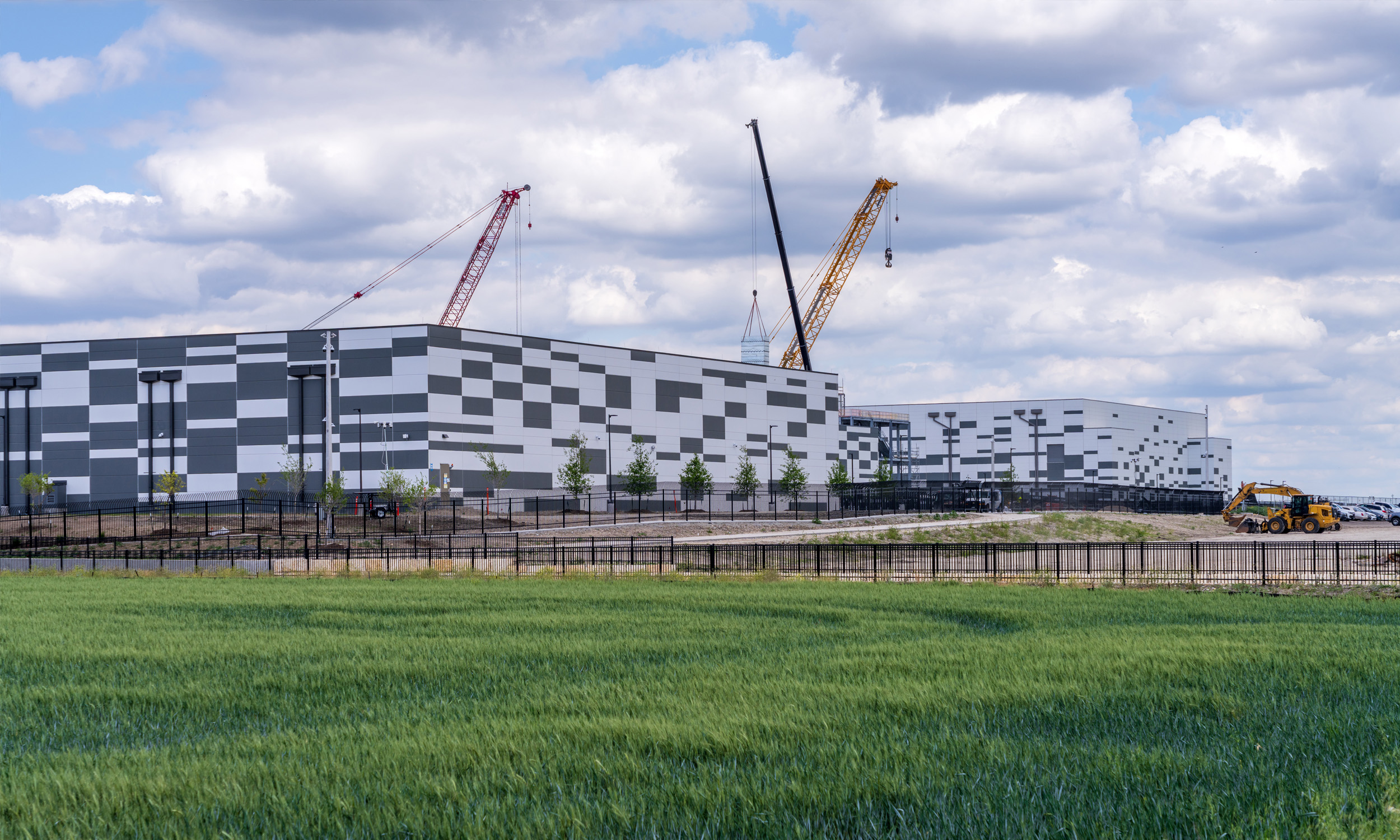
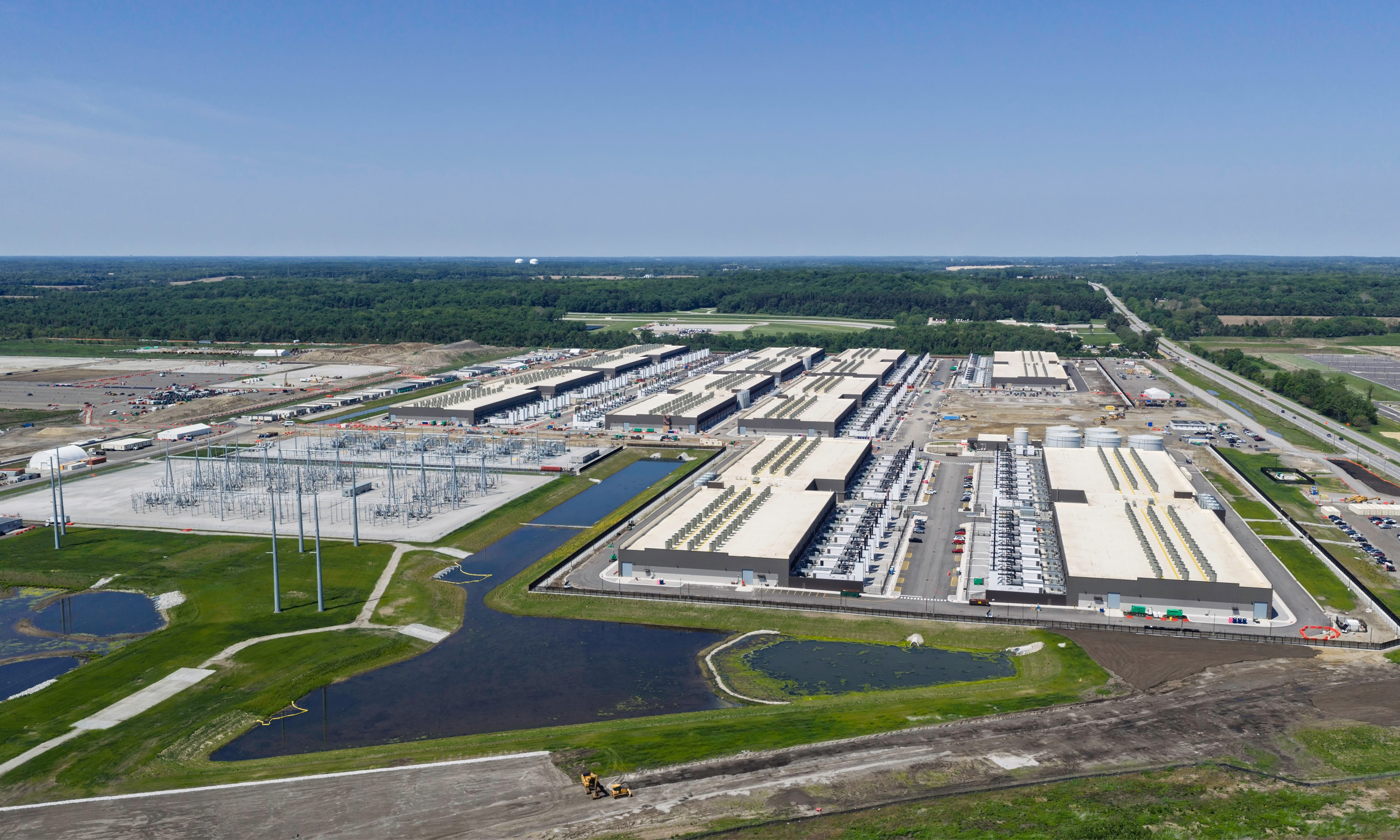
Data center construction brings underground infrastructure, access, security, sequencing, and multiple trades together on the same site. VOLLERS plans around those conditions and keeps its work coordinated with the larger construction sequence.
Project Conditions
The work does not happen in isolation.
On a data center site, underground infrastructure, access, staging, completed work, future phases, and other trades can all change how the work needs to be sequenced and executed. The conditions vary by project, but they have to be understood early.
Infrastructure and utilities
Utility systems and site infrastructure can shape excavation, procurement, sequencing, documentation, and readiness for the work that follows.
Schedule and sequence
Site activities can open or constrain access for other trades. The plan has to account for what needs to happen before, during, and after the VOLLERS scope.
Access, logistics, and controlled areas
Staging, deliveries, equipment movement, work zones, and site controls can influence how the work is approached. Where security requirements apply, they become another condition the plan must respect.
Project Coordination
Owners, construction managers, designers, utilities, specialty contractors, and other trades can all affect decisions around access, sequencing, and the site package.
Capabilities matched to the work.
The VOLLERS role depends on the project. Sitework and Utilities are the primary connections for site readiness and underground infrastructure. Demolition becomes relevant when existing structures, phased work, or a change in sequence requires removal.
Sitework
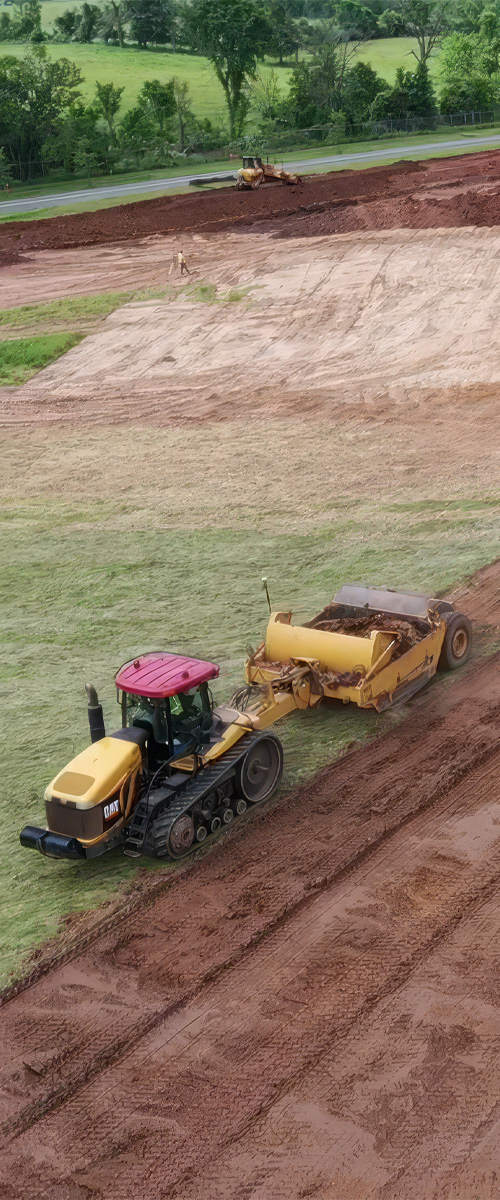
Sitework can include the earthwork, grading, access, logistics, and infrastructure work needed to get the site ready for the construction that follows.
Utilities
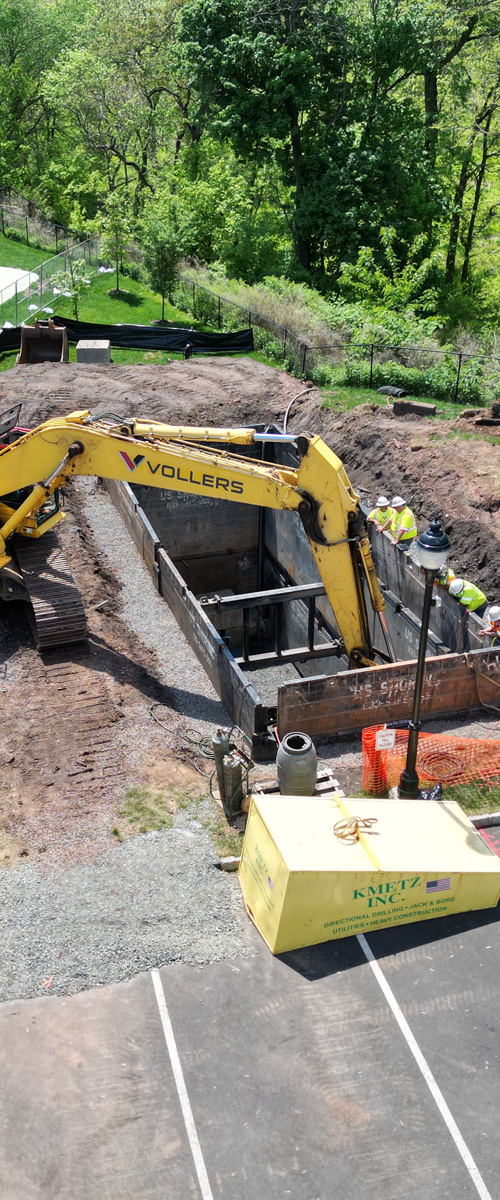
VOLLERS directly installs underground utility systems and carries responsibility for the field work around them, from preparation and procurement through coordination, documentation, testing and inspection coordination, turnover, and corrective work.
Demolition
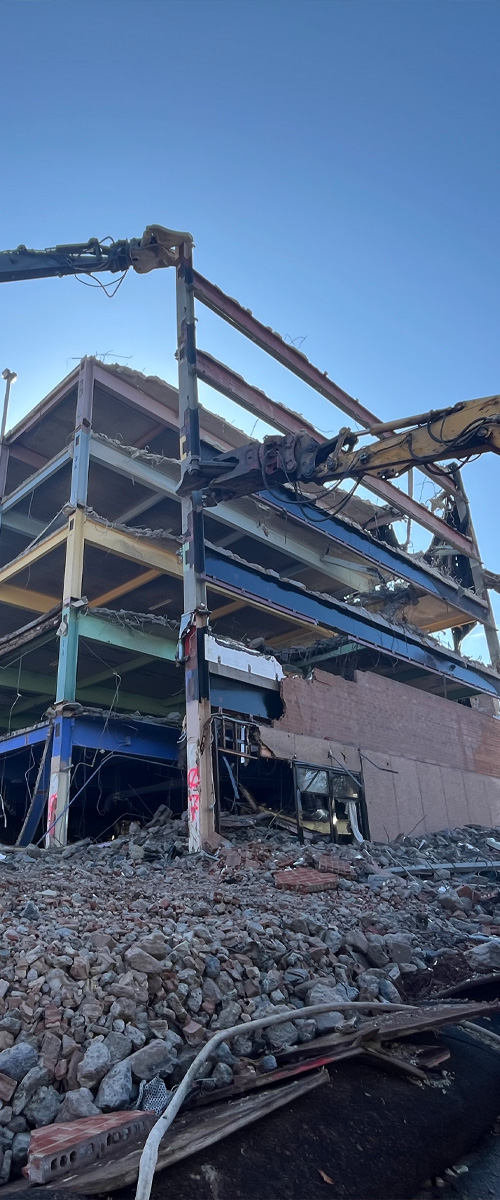
Where existing structures, retrofit conditions, or a change in construction sequence requires removal, VOLLERS plans Demolition around surrounding work, access, completed construction, and what comes next.
Plan ahead. Adjust as conditions change.
VOLLERS reviews site conditions, access, utilities, procurement, surrounding work, and what has to happen next before production begins. As the job moves forward, project and field teams keep decisions connected to changing conditions and sequence.
See constraints early
Review conditions, work zones, quantities, access, surrounding work, and what has to happen next early enough to build them into the plan.
Plan around the larger project
Consider how the VOLLERS scope affects staging, access, other trades, future phases, procurement, and the schedule.
Keep decisions close to field conditions
Use direct communication and practical field judgment when conditions or sequence change.
Follow Through
Keep coordination, documentation, and communication moving through the VOLLERS scope rather than treating each task as a separate piece.
Explore VOLLERS
Go deeper where the project needs it.
Have a project to discuss?
Tell us about the site conditions, infrastructure needs, sequence, and other work happening around the scope.