Institutional, Healthcare and Life Sciences
Build the work around what surrounds it.
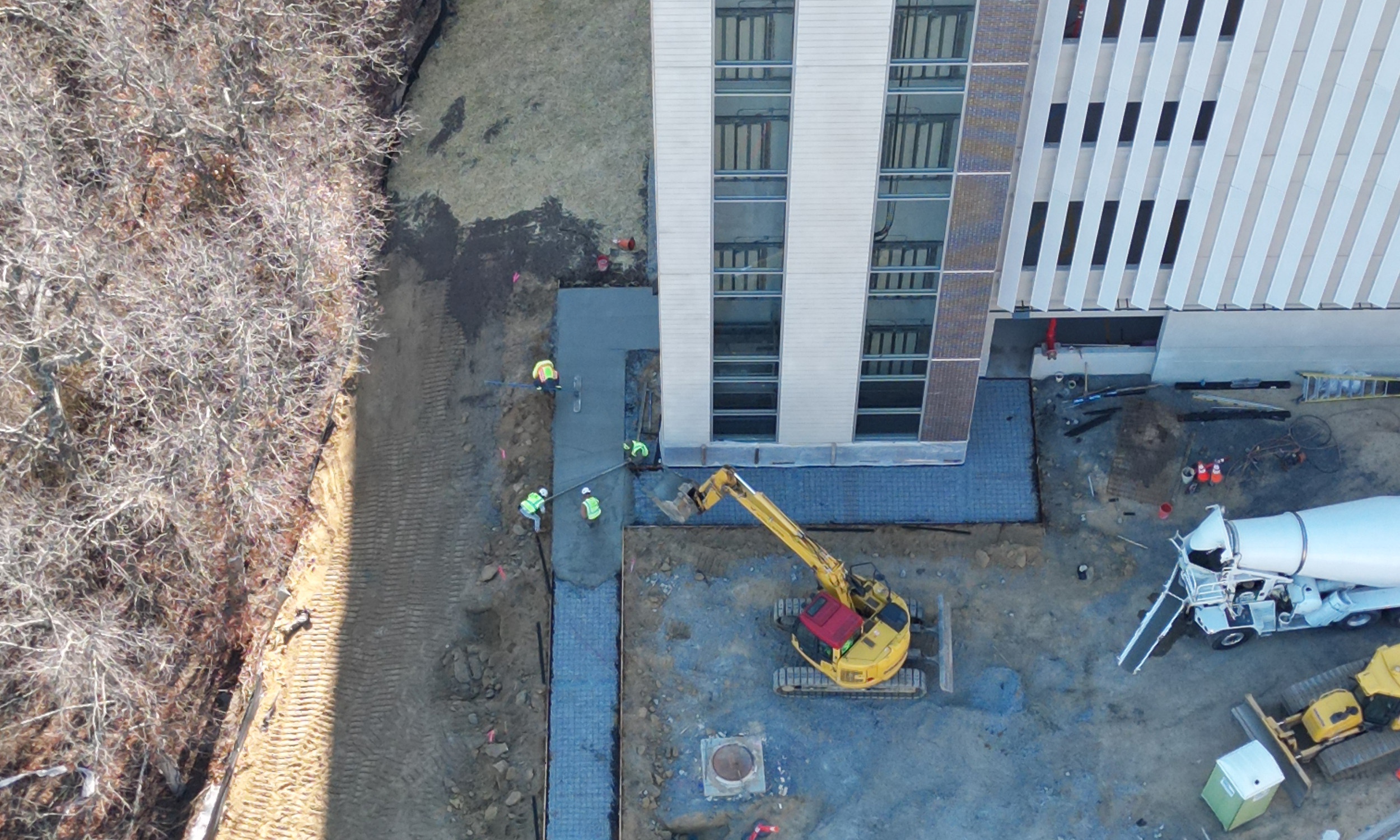
On institutional, healthcare, and life sciences projects, the work may have to fit around existing buildings, site access, adjacent activity, and what has to remain protected. VOLLERS plans around those conditions and keeps field execution connected to the larger project.
Project Environment
What has to stay in place shapes what happens next.
On institutional, healthcare, and life sciences projects, the work may have to fit around existing buildings, site access, adjacent activity, and what has to remain protected. VOLLERS plans around those conditions and keeps field execution connected to the larger project.
Existing and Adjacent Conditions
Existing buildings, infrastructure, completed work, and prior site conditions can all affect what can happen and when.
Access, Circulation and Work Zones
Roads, walkways, work zones, equipment access, other trades, and project users can all affect how the work is staged and sequenced.
Phasing and Project Interfaces
Some projects move forward alongside existing or adjacent activity. Others are built in phases across a larger campus or site.
Protection and Transition
Adjacent structures, completed areas, existing infrastructure, and the work that follows may all need to be protected or accounted for as the project moves forward.
Capabilities matched to the site conditions.
The VOLLERS role depends on what the site requires. Sitework may drive broader campus or facility development, Utilities may support infrastructure needs, and Demolition may be required where existing structures or selective removal shape what comes next.
Sitework
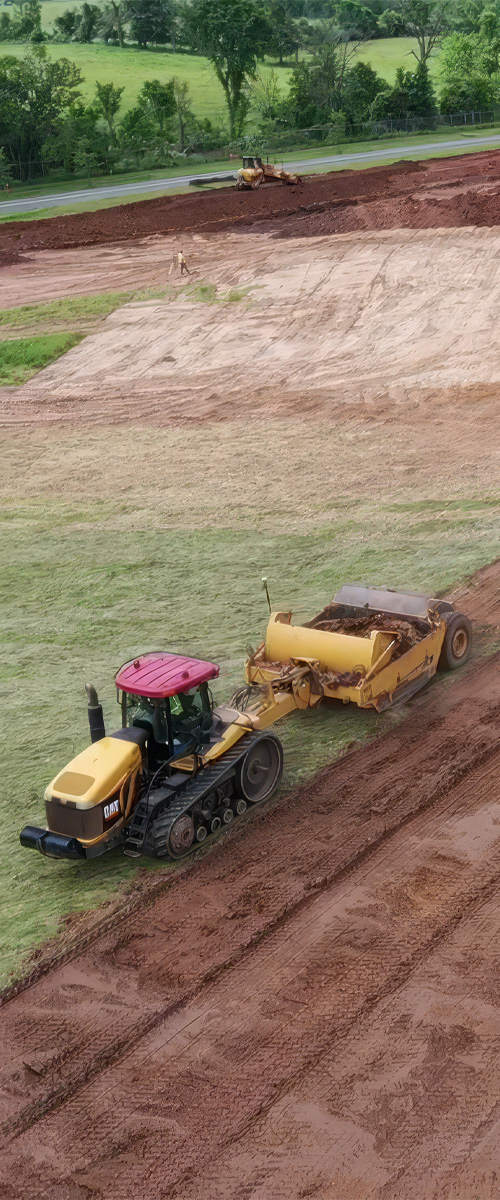
Campus and facility development can require substantial earthwork, grading, site infrastructure, access, roadways, parking, circulation, and broader site-readiness responsibility.
Utilities
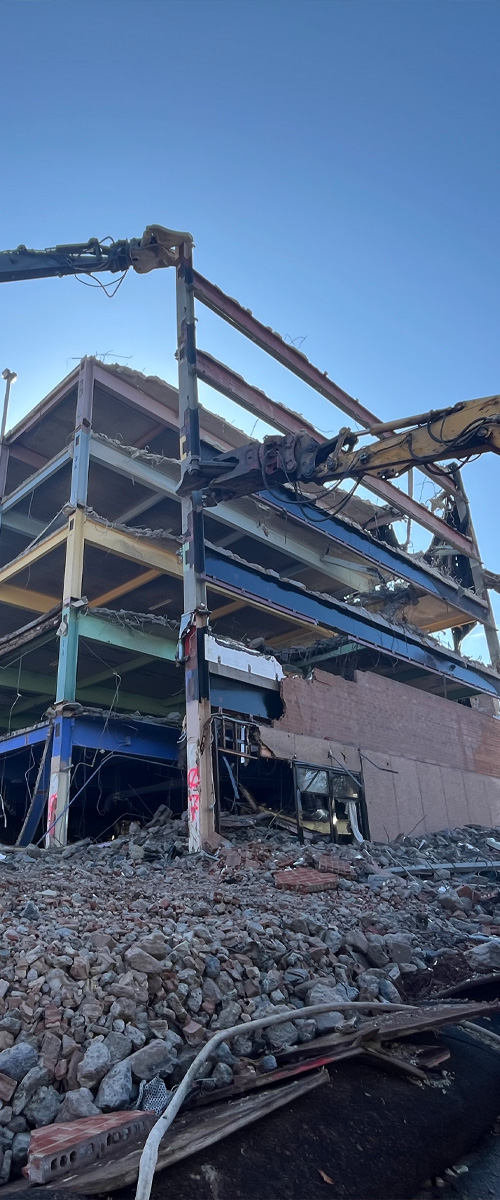
Existing structures, selective removal, structural separation, redevelopment, and preparation for what follows can make Demolition an important part of the Market when the project conditions require it.
Demolition
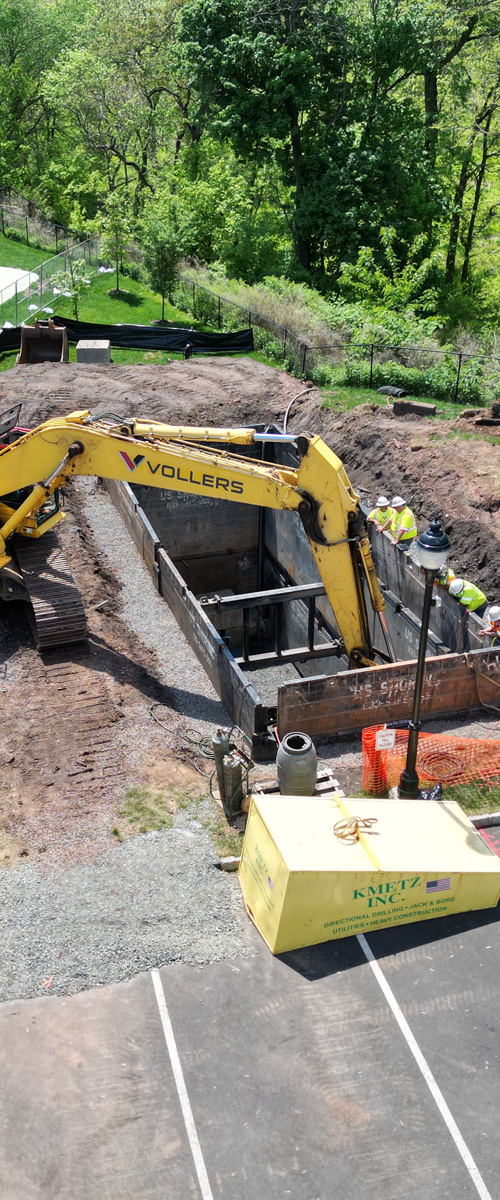
Underground infrastructure and site interfaces can materially affect sequence and readiness across campus and facility development. Deeper system and delivery detail belongs on the Utilities capability page.
Plan around what stays. Build toward what comes next.
VOLLERS starts by understanding what the site has to work around, then plans access, sequence, protection, equipment, utilities, and work zones around those conditions. As the job moves forward, project and field teams keep decisions connected to what comes next.
Understand the Surroundings
Understand the existing conditions, access, work areas, surrounding activity, and other factors that can affect the VOLLERS scope.
Plan the Sequence
Plan phasing, work zones, equipment, utilities, access, protection, and the order of work around the project conditions.
Keep Communication Close to the Work
Bring changing conditions forward early and coordinate decisions with the people closest to the work.
Carry the Site Forward
Keep site knowledge, decisions, restoration needs, and what comes next connected as the project moves into the next phase.
See the work in institutional and healthcare settings.
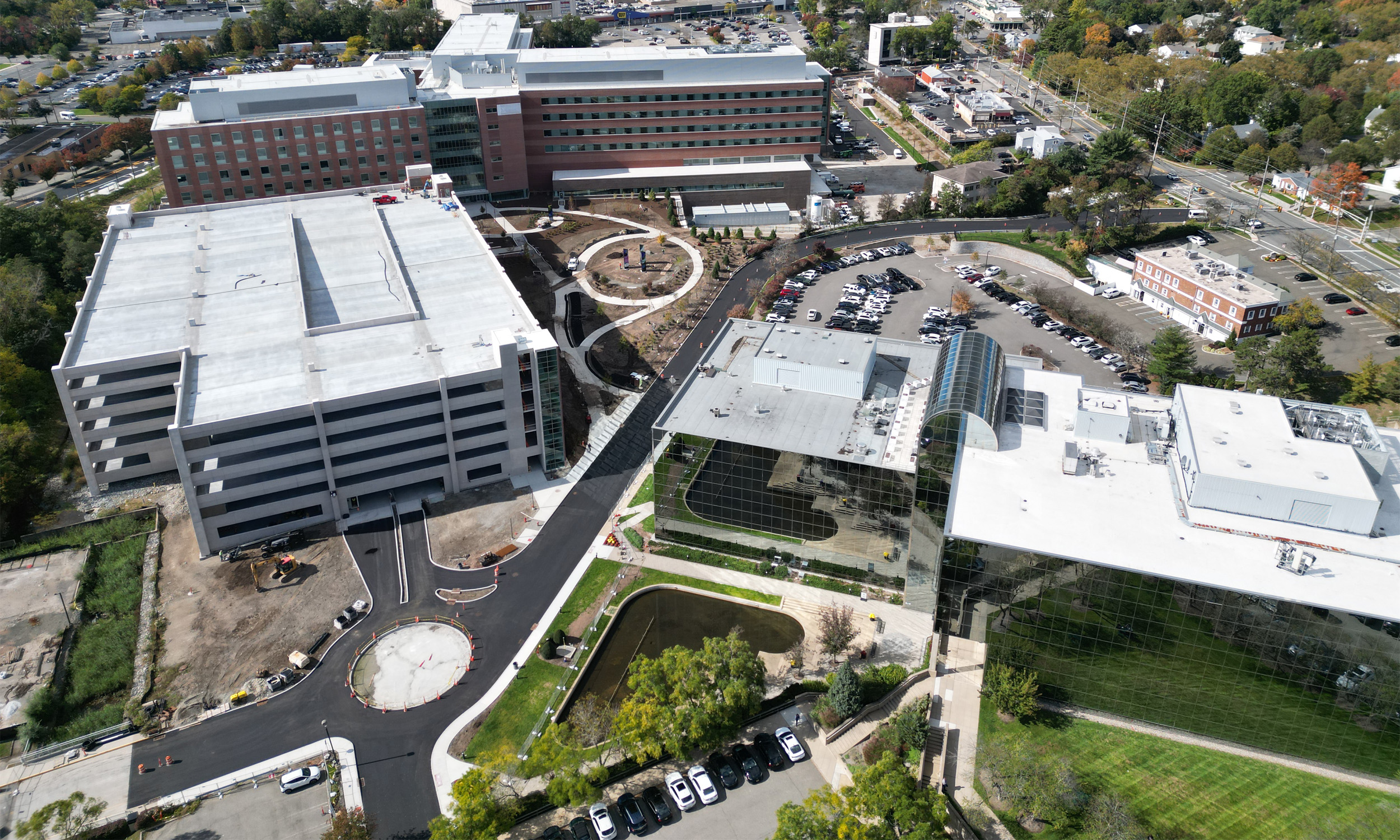
Hobson College and New Valley Hospital show two different sides of this market: work around active adjacent conditions and broad healthcare campus development.
Demolition
Hobson College
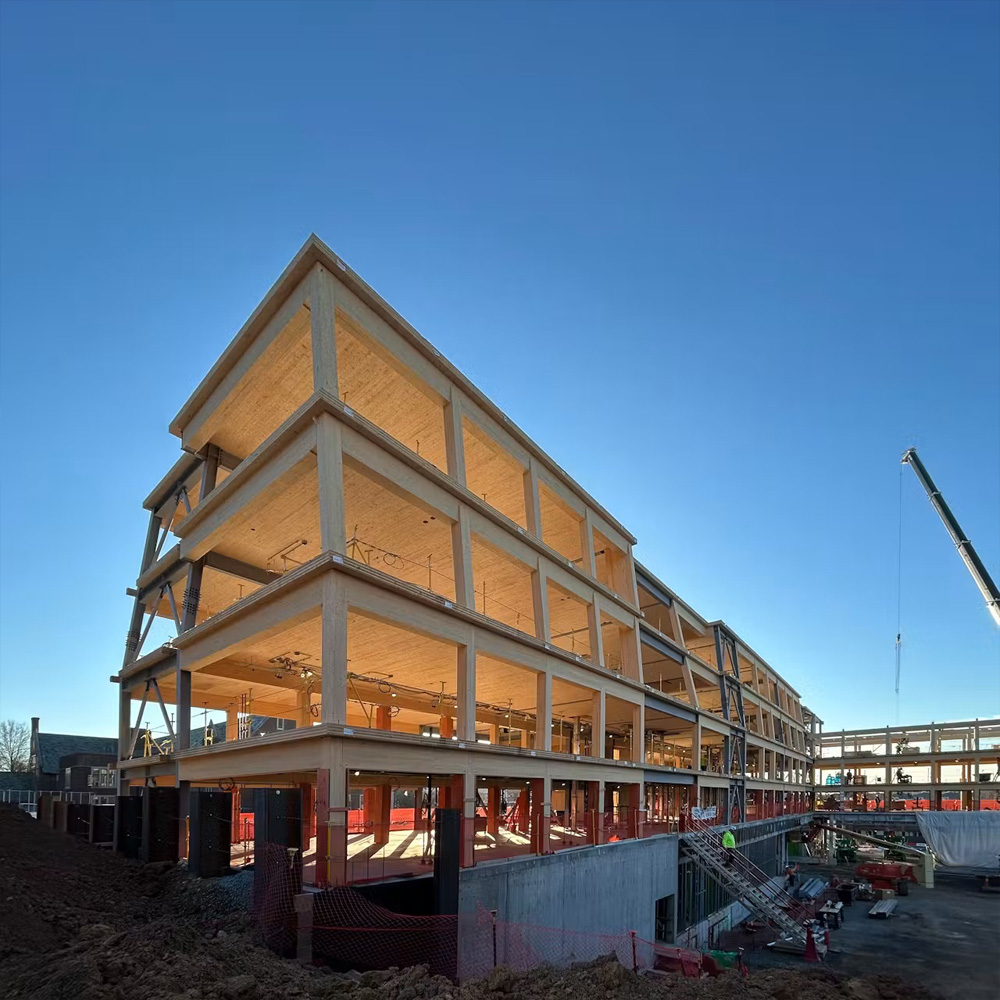
A university Demolition project involving multiple structures, structural separation from adjacent active buildings, selective and structural removal, and a campus environment where the conditions around the work materially shaped the project.
Sitework
Utilities
New Valley Hospital
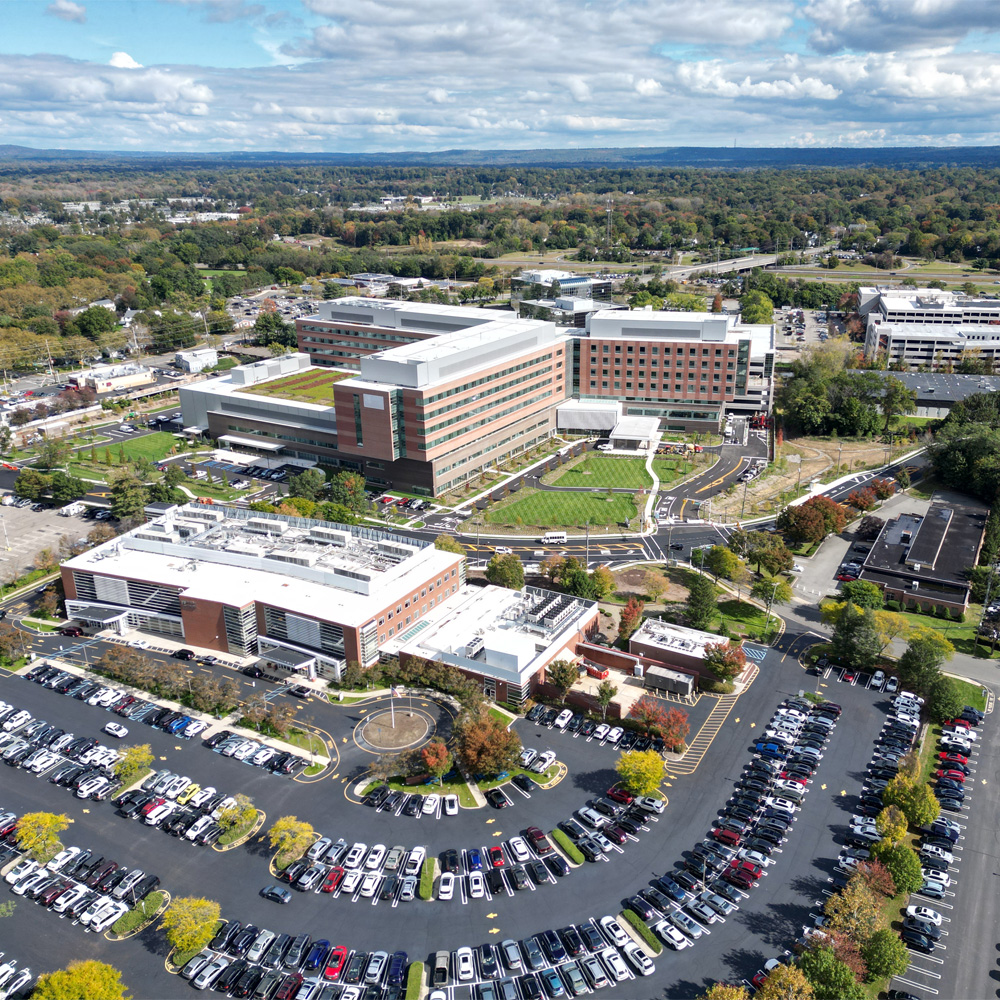
Large healthcare campus site development with multiple site, utility, parking, roadway, and coordination interfaces.
Explore VOLLERS
Go deeper where the project needs it.
Have an institutional, healthcare, or life sciences project to discuss?
Tell us about the site, what has to remain in place, and the conditions VOLLERS needs to work around.